
Hello, beautiful soul.
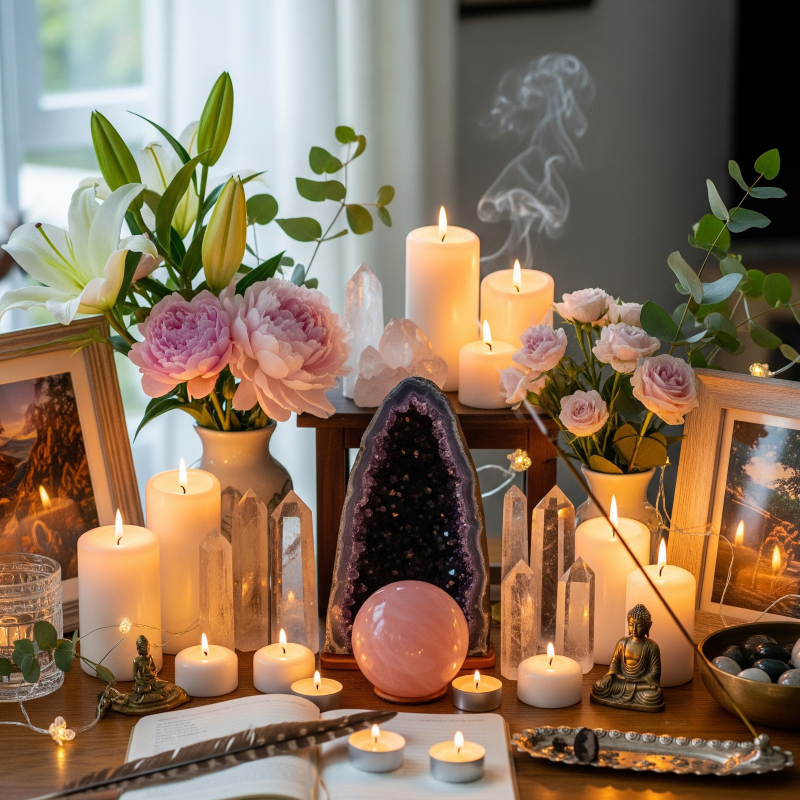
Have you ever felt the desire to create a quiet corner in your home that’s just for you? A beautiful, intentional space to connect with your spirit, manifest your dreams, and find a moment of peace in a busy world? If so, you’re being called to create a personal altar.
An altar is more than just a decorated shelf; it’s a powerful tool for spiritual growth and a physical anchor for your inner world. It’s an ancient practice of creating sacred space that people have used for centuries to connect with the divine. If you’re a beginner wondering how to build an altar, don’t worry. Let’s walk through this joyful and creative process together.
Setting Your Intention: The Heart of Your Spiritual Altar
Before you gather a single crystal or candle, the most important first step is to look inward. A powerful altar begins with a clear intention. Ask yourself: What am I calling into my life? What am I ready to release?
Think of your altar as a living, three-dimensional vision board for manifestation. Your intention is the “why” behind your sacred space, giving every object a purpose. Are you seeking peace, abundance, healing, or creative inspiration? Your altar becomes the focal point for that energy.
Many people use the terms altar and shrine interchangeably, but there’s a subtle distinction. An altar is a “working space” for practices like meditation, setting intentions, or performing rituals. A shrine is typically a space to honor a specific deity, ancestor, or concept. In modern spirituality, especially when space is limited, one sacred spot can beautifully serve as both. The ultimate goal is to create your own personal “high place” where you can connect with your higher self.
Finding Your Path: Altar Ideas for Every Spiritual Journey
Just as our spiritual paths are unique, so are our altars. They are a reflection of our soul. Here are a few common approaches to help you find what resonates with you.
How to Build Your Altar: A Step-by-Step Guide for Beginners
- Your Personal Spiritual Altar: A Path of Intuition
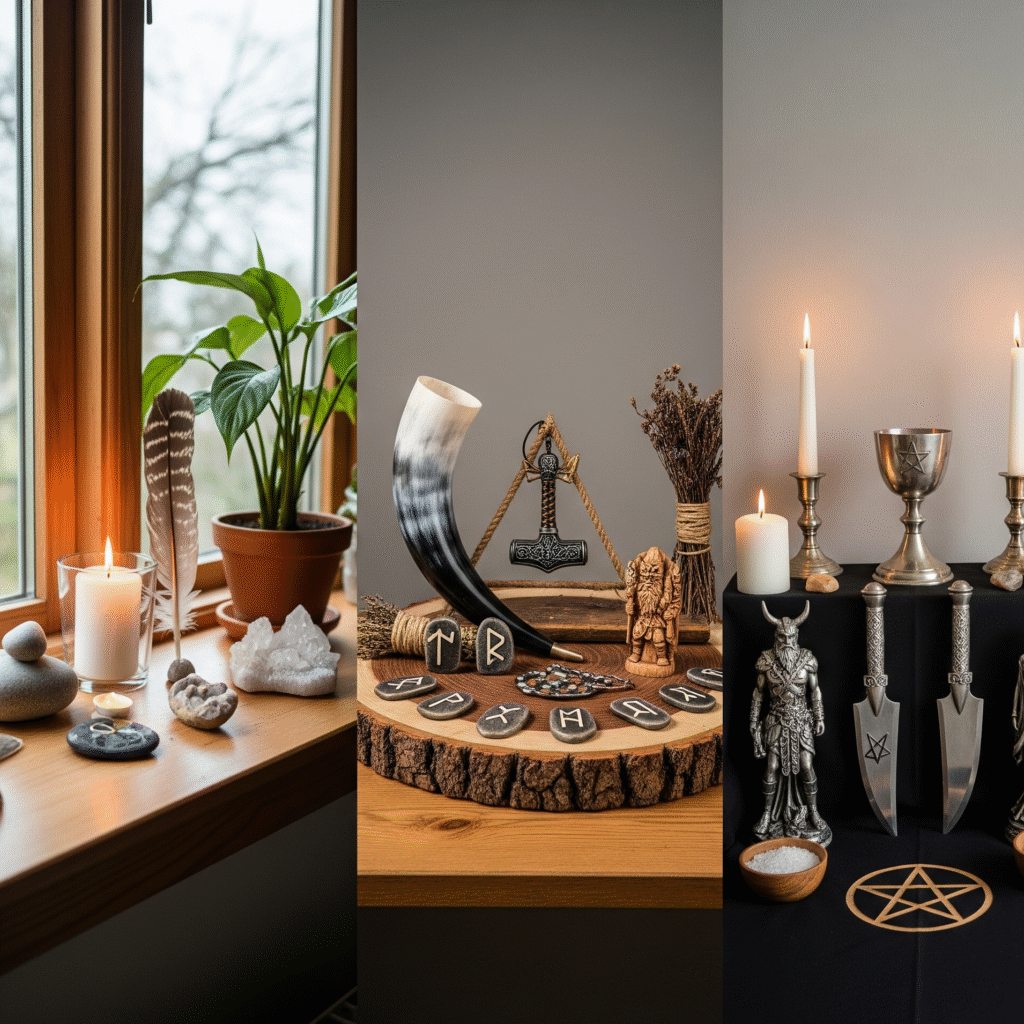
- This is the most free-form and intuitive approach, perfect for anyone on a personal spiritual journey. There are no rules here except one: choose what makes your soul sing. Your altar might hold a photo of a loved one, a beautiful stone from a memorable hike, a favorite book, and a candle. A wonderful practice for a spiritual altar is representing the five elements: a stone for Earth, a feather for Air, a candle for Fire, a bowl of water for Water, and a mirror for Spirit. This is a simple way to create a deep connection to the natural world.
- The Pagan Altar: Honoring Nature and Tradition
- Paganism is a broad term for many earth-centered spiritualities, often inspired by pre-Christian beliefs. A Pagan altar is deeply connected to nature and frequently includes offerings to deities, ancestors, or land spirits. For example, someone following a Norse path might include a drinking horn and a set of runes on their altar to honor Odin. A Hellenic Pagan might have a statue and a bowl for libations of wine for Apollo. The items are chosen to build a relationship with a specific tradition.
- The Wiccan Altar: A Guide to Tools and Structure
- Wicca is a specific religion under the Pagan umbrella with a more defined structure. A Wiccan altar is both a place of devotion to the Horned God and Triple Goddess and a functional workspace for magick. There’s a beautiful symmetry to it. The left side is often dedicated to the Goddess, holding symbols like a chalice or a silver candle, while the right is for the God, with tools like a ritual knife (athame) and a gold candle. The four elements are also formally represented, often in their corresponding cardinal directions.
Ready to create your own sacred space? This is a joyful, meditative process.
- Step 1: Choose and Prepare Your Sacred Space
- First, find a spot that feels right. It could be a bookshelf, a windowsill, or a small table in your bedroom. The key is to choose a location where you can have a bit of peace but that you also see regularly, as a gentle reminder of your spiritual practice. If you need to keep your practice private, a beautiful box that holds your altar supplies can become a portable altar, ready whenever you are.
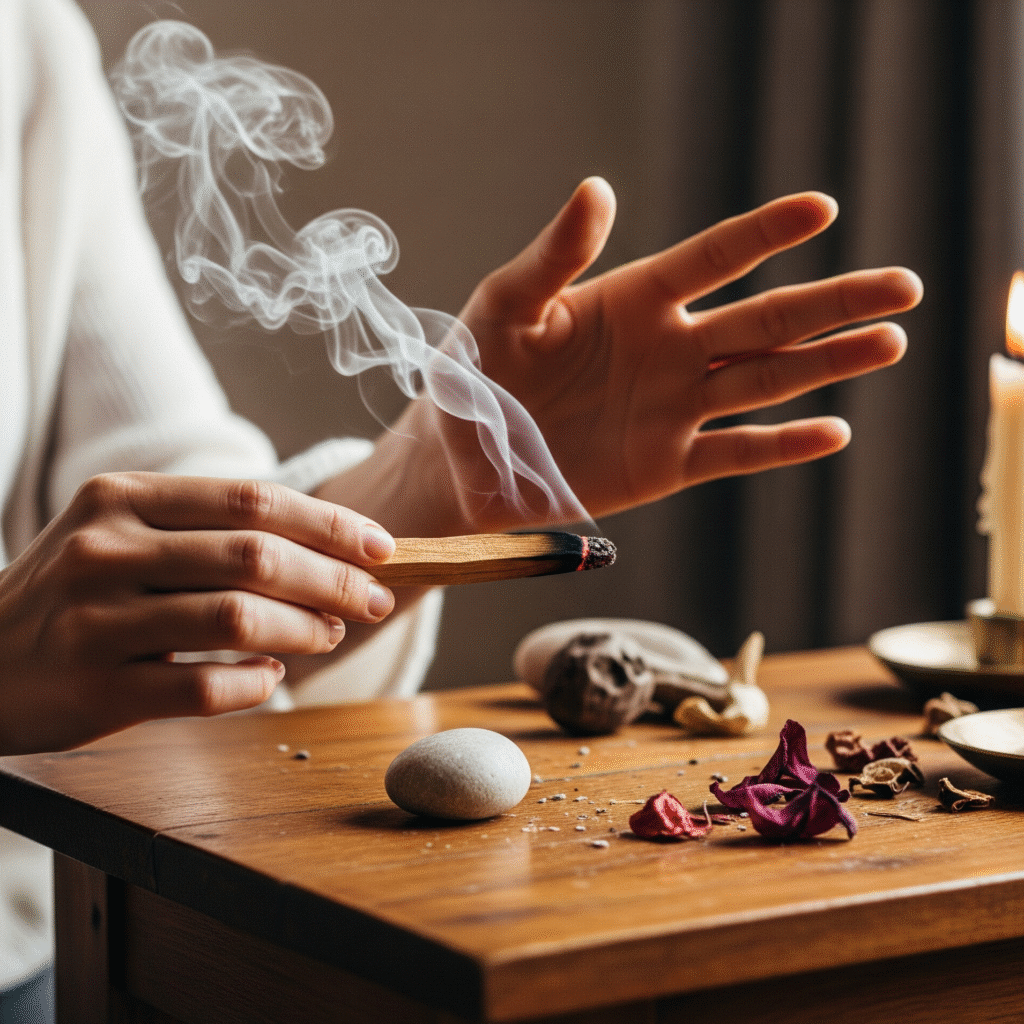
- Once you’ve chosen your spot, perform a cleansing ritual. Start by physically cleaning the area—dust it, wipe it down, and clear away any clutter. Then, cleanse it energetically to remove any stagnant energy. You can do this with a smoke cleansing using sacred herbs like rosemary or palo santo (with a window open!). The clear chime of a bell or a singing bowl also works beautifully to reset the energy.
- Step 2: Gathering Your Altar Supplies and Tools
- This is the most creative part! Assembling the items for your altar is like gathering pieces of your own story.
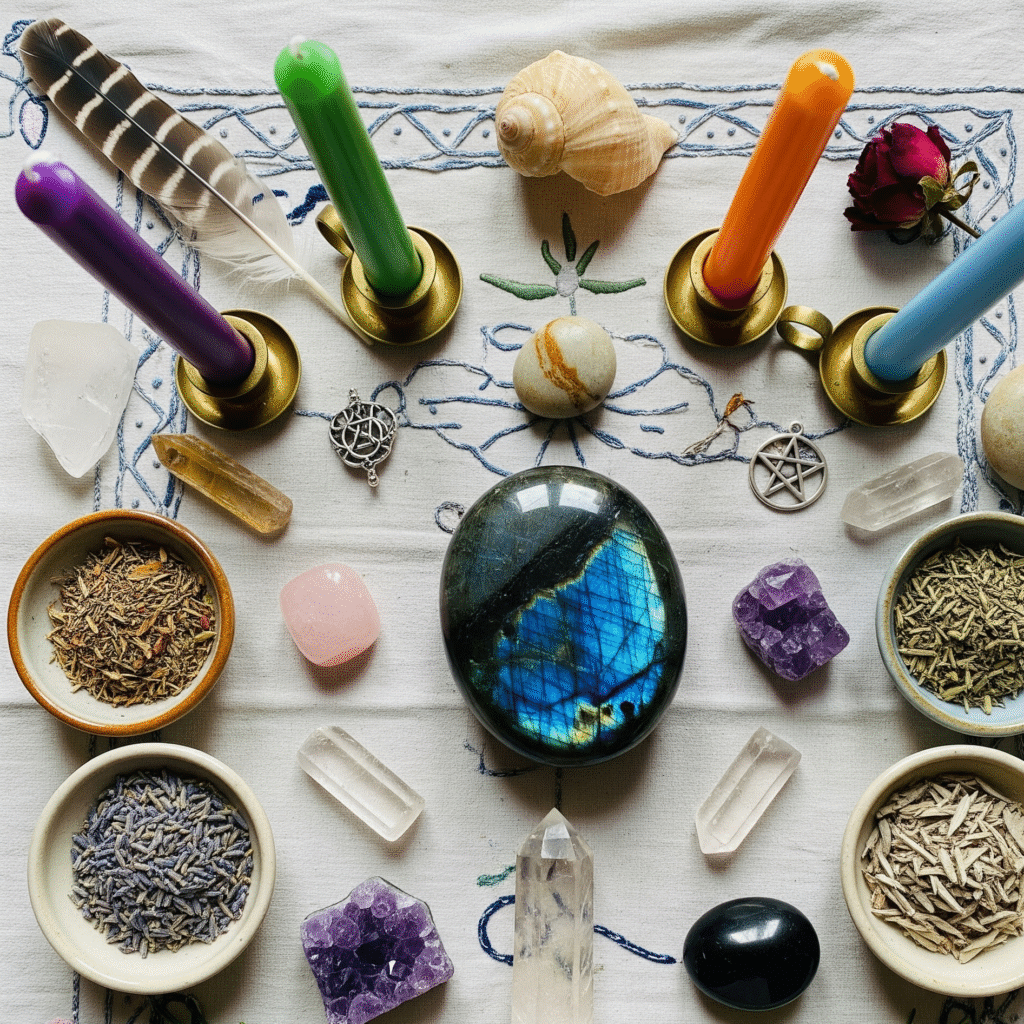
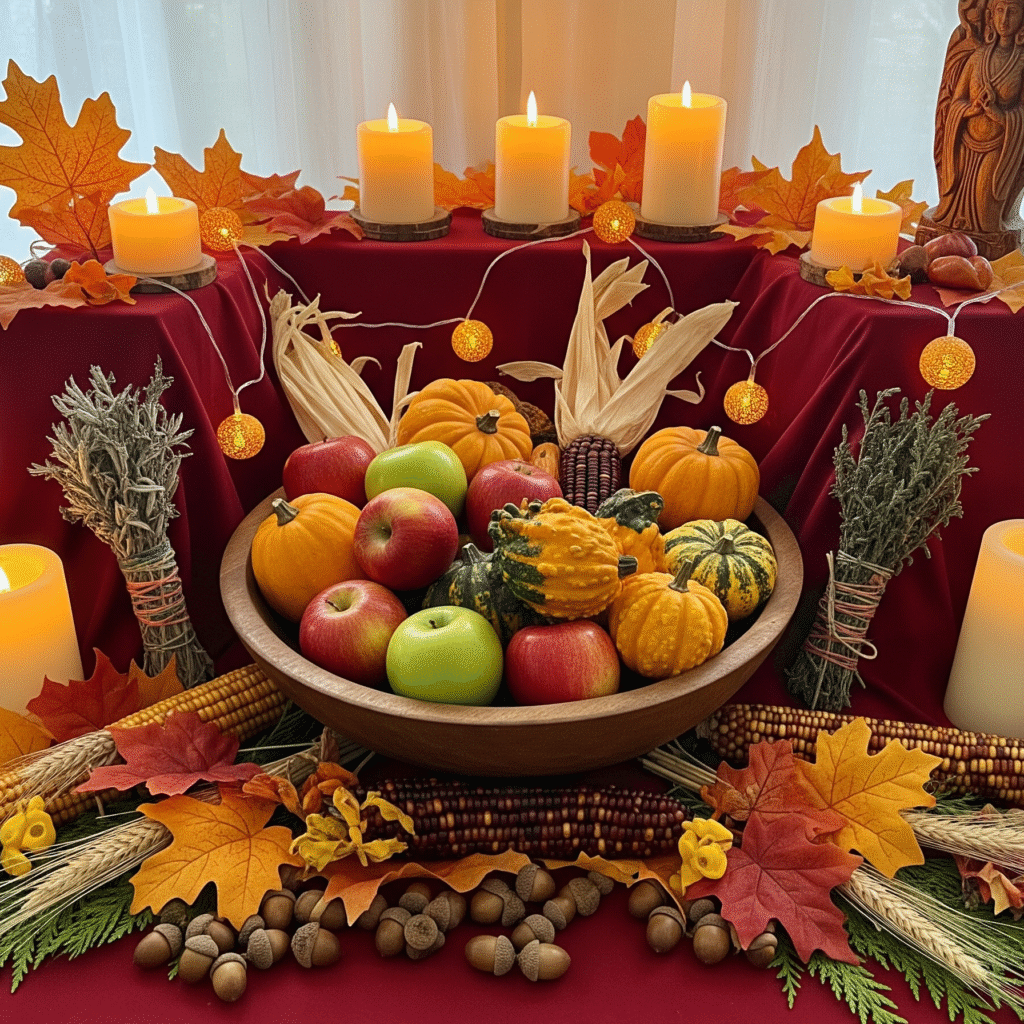
- The Foundation: A simple, beautiful altar cloth can define your sacred space. The color can match the season or your intention.
- The Elements: As we discussed, gathering items to represent Earth, Air, Fire, and Water is a wonderful way to start. A stone, a feather, a candle, a seashell—simple and powerful.
- The Divine: How do you connect with the divine? It could be a statue of a goddess, a symbolic object (like a key for Hecate), or a simple, colored candle. When you’re looking for that perfect statue or a special set of crystals, online spiritual shops like Wonderhoard are a treasure trove of beautiful altar decor.
- Working Tools: If your path is more structured, like Wicca, you’ll want to include specific Wiccan tools like an athame, wand, chalice, and pentacle.
- Personal Items: This is what makes the altar yours. A family heirloom, a handmade piece of art, an oracle card that speaks to you. Some of the most potent items are things you find in nature or are gifted from the heart.
To give you a clearer idea, here’s a little chart:
| Component Category | General Spiritual Altar | General Pagan Altar (examples) | Wiccan Altar |
| Core Philosophy | Intuitive, personal resonance, self-reflection. | Devotional, honoring nature, gods, ancestors. Path-specific. | Balanced, structured, magical, devotional. |
| Foundation | Any surface, cloth of personal choice. | Natural materials preferred, cloth may reflect pantheon/path. | Often wood, specific cloth colors for seasons/rituals. |
| Elemental Rep. | Flexible & symbolic (e.g., a blue stone for water). | Natural items, path-specific symbols. | Specific tools/items in cardinal directions (e.g., Salt/North). |
| Divine Rep. | Photos of gurus, abstract symbols, personal photos. | Statues/symbols of specific deities (e.g., Odin, Brigid), ancestor photos. | God & Goddess statues/candles, often in left/right polarity. |
| Primary Tools | Journal, oracle cards, crystals, singing bowl. | Offering bowl, chalice/horn, runes (path-dependent). | Athame, Wand, Chalice, Pentacle, Cauldron, Bell. |
| Key Focus | Meditation, intention setting, personal growth. | Offerings, worship, connection to tradition. | Ritual, spellwork (magick), celebrating Sabbats/Esbats. |
- Step 3: Arranging Your Altar with Intention
- There is no single “right” way to arrange your altar. Let your intuition guide you to what feels balanced and beautiful. Many traditions use an altar layout based on the cardinal directions: placing Earth in the North, Air in the East, Fire in the South, and Water in the West. A Wiccan altar might place Goddess items on the left and God items on the right. Play with the arrangement until it feels right in your heart.
- Step 4: How to Consecrate Your Altar
- This final step transforms a collection of objects into a sacred altar. Consecration is a simple ritual to cleanse your items and dedicate them to your spiritual work. You can do this by passing each item through the smoke of incense (Air), near a candle flame (Fire), sprinkling it with salt water (Water and Earth), and stating your intention: “I cleanse and consecrate this tool for my sacred work.”
Living With Your Altar: Daily Rituals and Evolution
Your altar is a living space, and your relationship with it will grow and change.
Daily Rituals and Altar Maintenance
- Try to connect with your altar daily, even for just a moment. Light a candle, say a quiet thank you, or pull an oracle card. Keep it clean and tidy—a weekly dusting is an act of devotion in itself. Refresh your offerings, like the water in a small bowl, and return any natural items like wilted flowers back to the earth with gratitude.
- The Wheel of the Year: Your Seasonal Altar
- Don’t be afraid to change it! Many practitioners update their altars to align with the seasons. This is a beautiful way to stay connected to the turning of the Wheel of the Year.
- For the Winter Solstice (Yule), your altar could be filled with evergreens, pinecones, and gold candles.
- For the Spring Equinox (Ostara), you might bring in pastel colors, decorated eggs, and fresh flowers.
- You can also create a special Ancestor Altar with photos and heirlooms, or a temporary manifestation altar focused on a specific goal, like healing or creativity.
Continue Your Journey
As you begin this beautiful practice, remember that your altar is a reflection of your own spirit. Finding the perfect items that speak to your soul is a joyful part of the process. While many treasures can be found in nature or gifted from loved ones, if you’re looking for a special statue, a unique set of crystals, or a beautiful altar cloth to complete your sacred space, we’ve curated a collection of meaningful pieces at our online shop, Wonderhoard, to support you on your path.
This guide is just the beginning of what you can learn. If you’ve felt a spark of connection here and wish to dive deeper, I have a special gift for you. I’ve created a much more expanded version of this guide, a beautiful digital book that explores the magical properties of different gemstones, the spiritual uses of common herbs and resins, how to create altars for specific intentions like love or healing, and so much more.
To receive your free copy and continue this journey with us, simply sign up with your email. It would be an honor to share more of this sacred knowledge with you.
Your personal altar is a journey, not a destination. It is a mirror of your soul, a sanctuary for your spirit, and a powerful reminder that you have the ability to create sacredness in your own life. May yours bring you peace, connection, and endless magic.
Enjoying this introduction to altar building? This is just one of the many guides available in our exclusive ‘Subscriber’s Hoard.’ Sign up with your email below to get instant access to the complete, expanded Altar Guide PDF, and our entire, ever expanding library of free resources. From informative articles and guides to free artwork for your crafts.—our gift for welcoming you into the WonderHoard community.